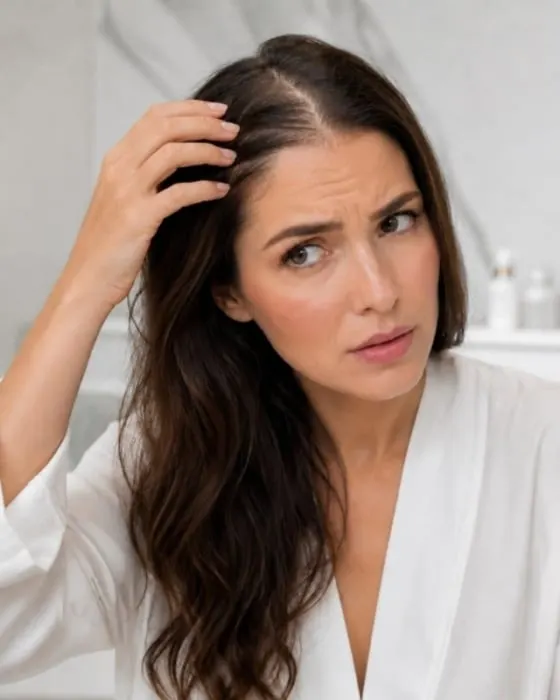
Hair thinning can feel frustrating, emotional, and sometimes confusing. For many people, it does not happen overnight. You may first notice more hair in the shower drain, a wider part, a thinner ponytail, more scalp showing in the mirror, or a receding hairline that seems to be slowly changing over time.
The truth is that hair loss is very common, and it can happen for many different reasons. Sometimes it is genetic. Sometimes it is related to stress, hormones, nutrition, medications, illness, or major changes in the body. In many cases, there is more than one factor involved, which is why a personalized approach is so important. Hair loss may be temporary or long-term depending on the cause, and identifying the pattern is an important first step.
At Glamour Plastic Surgery and Med Spa, we take a comprehensive approach to hair wellness. That may include supportive supplements, PRP hair restoration injections, scalp health education, and a realistic conversation about consistency, timing, and expectations.
Hair Growth Has a Cycle
Before talking about hair loss, it helps to understand that hair naturally grows in cycles. Every hair follicle goes through a growth phase, a transition phase, and a resting or shedding phase. Because of this, some shedding is normal. Most people lose hair daily as part of this natural cycle.
The concern usually begins when shedding becomes noticeably heavier, when hair density starts to decrease, or when the hairline or part begins to look different. Since hair grows slowly, changes in hair thickness and regrowth usually take time to see. This is why hair restoration plans often require several months of consistency before visible improvement becomes noticeable.
Genetics and Pattern Hair Loss
One of the most common causes of thinning hair in both men and women is genetic or pattern hair loss. In men, this often appears as a receding hairline, thinning at the crown, or both. In women, it may look like a widening part, thinning through the top of the scalp, or an overall decrease in density while the frontal hairline may remain mostly intact.
Pattern hair loss is usually gradual. It may start subtly, then slowly become more noticeable over the years. Family history can play a role, but it does not always look exactly the same from one person to another. You may have thinning even if your parents did not have dramatic hair loss, or your pattern may show up differently than expected.
The earlier this type of thinning is addressed, the more options there may be to support the existing follicles and slow progression.
Stress and Telogen Effluvium
Stress can have a real effect on hair. Physical stress, emotional stress, illness, surgery, fever, crash dieting, major life changes, or sudden weight loss can push more hairs than usual into the shedding phase. This type of hair loss is often called telogen effluvium.
One reason this can feel confusing is that shedding often starts a few months after the stressful event, not immediately. For example, someone may go through a stressful period, illness, surgery, or major hormonal shift, then notice heavy shedding two to three months later. Telogen effluvium is often temporary, and regrowth is possible once the trigger is addressed, although the process can take several months.
This is one reason we often talk to patients about consistency and patience. Hair recovery is not instant, but supporting the body, scalp, and follicles during this time can make a meaningful difference.
Hormonal Changes
Hormonal changes are another major reason people experience hair thinning. Pregnancy, postpartum changes, menopause, thyroid imbalance, and other hormonal shifts can all affect the hair growth cycle.
Postpartum shedding is a common example. Many women enjoy thicker hair during pregnancy, then experience significant shedding several months after delivery. While this is often temporary, it can still feel alarming.
Menopause can also contribute to thinning hair. As estrogen levels change, some women notice decreased density, a wider part, or more fragile strands. Hormones can also influence oil production, scalp health, and the way the follicles behave over time.
Nutrition and Deficiencies
Hair is not considered essential for survival, so when the body is undernourished or missing key nutrients, hair growth can be affected. Low protein intake, low iron, vitamin D deficiency, restrictive dieting, rapid weight loss, and poor overall nutrition may contribute to shedding or weaker hair quality.
This does not mean everyone needs a long list of supplements. More is not always better. It means that hair health should be supported from the inside out with enough protein, balanced nutrition, hydration, and targeted support when appropriate.
For patients who are working on weight loss, this is especially important. A calorie deficit, medication-assisted weight loss, reduced appetite, or major dietary changes can sometimes be associated with increased shedding. Supporting nutrition during this process can help protect overall wellness, including the hair.
Medical Conditions and Autoimmune Causes
Certain medical conditions can also cause hair loss. Autoimmune conditions, thyroid disease, scalp infections, inflammatory scalp disorders, and other health concerns may all play a role. Alopecia areata, for example, is an autoimmune condition in which the immune system attacks hair follicles, often causing patchy hair loss.
Some types of hair loss are non-scarring, which means follicles may still be present and capable of producing hair. Other types are scarring, which can permanently damage follicles if not treated early. This is why it is important not to ignore sudden, patchy, painful, inflamed, or rapidly worsening hair loss.
Medications and Treatments
Some medications can contribute to shedding or thinning hair. This can include certain medications for blood pressure, hormones, acne, mood disorders, autoimmune conditions, and other health concerns. Cancer treatments such as chemotherapy can also cause hair loss.
If hair loss begins after starting a new medication, it is important to speak with the prescribing provider before stopping anything. In some cases, the medication may not be the cause. In other cases, there may be alternatives or ways to support the hair while continuing necessary treatment.
Hairstyles, Tension, and Traction
Hair thinning is not always internal. Sometimes it is mechanical. Tight ponytails, buns, braids, extensions, or hairstyles that repeatedly pull on the hair can cause traction alopecia. This often shows up around the hairline, temples, or areas where the hair is under the most tension. The American Academy of Dermatology notes that hairstyles that pull can lead to this type of hair loss.
The earlier traction is recognized, the better. Changing styling habits, reducing tension, and giving the follicles time to recover may help prevent worsening.
Why a Combination Approach Often Works Best
Because hair thinning can have multiple causes, many patients benefit from a combination approach. This may include improving nutrition, reducing scalp stress, supporting the hair follicles internally, and using regenerative treatments such as PRP hair restoration.
PRP, or platelet-rich plasma, uses a concentrated portion of the patient’s own blood that contains growth factors. When injected into targeted areas of the scalp, PRP is used to support the hair follicles and encourage a healthier scalp environment. It is commonly recommended as a series of treatments, followed by maintenance sessions when appropriate.
Supportive supplements may also be part of a hair wellness plan. This month, we are featuring Xtressé Hair Growth Gummies, designed to support healthier, stronger-looking hair from within. Xtressé is dermatologist-developed, biotin-free, and sugar-free, with ingredients selected to help support the scalp environment and promote fuller-looking, more resilient hair over time.
As with any hair wellness plan, consistency matters. Hair growth is slow, and visible changes usually take months, not days. For many patients, we recommend allowing at least 3 months to begin noticing improvement, with more meaningful changes often seen closer to 6 months depending on the individual and the treatment plan.
When Should You Ask for Help?
It may be time to ask about hair restoration options if you notice:
A widening part, thinning at the crown, increased shedding, a receding hairline, thinner ponytail volume, visible scalp, or patchy areas of hair loss.
It is also important to seek medical evaluation if hair loss is sudden, severe, painful, associated with scalp irritation, or accompanied by other symptoms such as fatigue, weight changes, or irregular periods.
The Bottom Line
Hair thinning can happen for many reasons, including genetics, stress, hormones, nutrition, medical conditions, medications, and styling habits. The best plan starts with understanding the possible cause and creating a treatment approach that supports the hair from multiple angles.
At Glamour Plastic Surgery and Med Spa, we offer personalized hair wellness options including PRP hair restoration injections and supportive products like Xtressé Hair Growth Gummies. Whether you are noticing early thinning or looking for a more comprehensive approach, our team can help guide you through your options and create a plan that fits your goals.
Results vary from patient to patient, and hair restoration takes time, but with the right support and consistency, many patients can see healthier, fuller-looking hair over time.