One of the most common questions patients ask before a tummy tuck is, “How long is the recovery?”
It sounds like a simple question, but the honest answer is that tummy tuck healing happens in layers. There is the time it takes to feel better, the time it takes to stand fully upright, the time it takes to return to normal daily activities, and then the much longer process of swelling, scar fading, and final contour settling.
Most patients are surprised to learn that they may feel significantly better within a few weeks, but the body continues healing for months. In many cases, the final result keeps refining for up to a year or longer.
At Glamour Plastic Surgery and Med Spa, Dr. Olga Bachilo places a strong emphasis on education before surgery, because knowing what to expect can make recovery feel much less stressful. A tummy tuck is a powerful procedure, but it is also a real surgery, and giving your body time to heal is part of protecting your result.
First, What Happens During a Tummy Tuck?
A tummy tuck, also called abdominoplasty, removes extra loose skin from the abdomen and tightens the abdominal area. For many patients, it may also include repair of diastasis recti, which is the separation of abdominal muscles that can happen after pregnancy or major weight changes.
Some patients also have liposuction performed at the same time to refine the waistline and improve the overall shape. Because every patient’s anatomy is different, the exact surgical plan is customized.
That is why recovery can vary. A mini tummy tuck, a full tummy tuck, a tummy tuck with muscle repair, and a mommy makeover that includes breast surgery or liposuction will not all feel the same. Your timeline depends on your procedure, your health, your activity level, and how closely you follow your post-operative instructions.
The First Few Days: The Tightest Part of Recovery
The first few days after a tummy tuck are usually the most uncomfortable. Patients often describe the feeling as tightness, pressure, soreness, or a pulling sensation rather than sharp pain.
This tightness is normal. The skin has been redraped, the lower abdomen has been tightened, and if muscle repair was performed, the core has been repaired underneath. Because of this, most patients walk slightly bent forward at first. This protects the incision and helps avoid unnecessary tension.
During this stage, you should expect to rest, walk slowly, and need help at home. Getting in and out of bed, standing up from a chair, using the restroom, and taking short walks around the house may all take extra effort.
Short, gentle walking is encouraged early because it helps circulation and lowers the risk of blood clots. However, this is not the time to push yourself, clean the house, lift children, run errands, or “test” your progress.
Your only job during the first few days is to recover.
Week 1: Moving Carefully and Following Instructions
By the end of the first week, many patients are moving a little better, but they are still very much in the healing phase. You may still feel tight, swollen, tired, and more dependent on help than you expected.
This is completely normal.
At this point, patients are usually focused on basic recovery: taking medications as directed, wearing compression if instructed, walking gently, staying hydrated, eating enough protein, and keeping follow-up appointments.
Swelling is expected. Bruising can happen. The abdomen may feel firm or numb in some areas. Numbness around the lower abdomen is very common after a tummy tuck and can take time to improve.
You may also notice that your energy comes in waves. One day may feel encouraging, and the next day you may feel tired again. This does not mean something is wrong. Healing is not perfectly linear.
Weeks 2 to 3: Feeling More Like Yourself
Around weeks two and three, many patients begin to feel more independent. They may be walking more comfortably, standing straighter, and needing less assistance with basic daily activities.
This is also the stage where people sometimes become impatient.
You may feel well enough to do more, but the deeper layers are still healing. If muscle repair was performed, your core still needs protection. Even if the incision looks good on the outside, the inside needs more time.
Many patients can return to desk work somewhere around this period, depending on the extent of surgery and how they feel. Patients with physically demanding jobs usually need more time before returning.
It is important to remember that “back to work” does not mean “fully healed.” You may still need to move slowly, avoid lifting, avoid twisting, and take breaks throughout the day.
Weeks 4 to 6: More Normal, But Not Finished
By four to six weeks, patients often feel a major improvement. Walking is easier. Posture is better. Swelling may start to improve. Clothes may begin fitting differently. You may start seeing the shape that made you excited about surgery in the first place.
This is often when patients ask, “Can I work out now?”
The answer depends on your surgery and Dr. Bachilo’s clearance. In general, strenuous exercise is usually limited for several weeks after a tummy tuck, especially if muscle repair was performed. Strenuous exercise may need to be limited for about four to six weeks during the healing process.
Even when you are cleared to increase activity, it is usually a gradual return. Light movement comes first. Heavy lifting, intense core work, abdominal exercises, and high-impact workouts typically come later.
The goal is not just to get back to activity quickly. The goal is to heal well and protect the repair.
Months 2 to 3: The Result Starts to Show More Clearly
By two to three months, many patients feel much closer to normal. Swelling is usually improving, clothes may fit better, and the abdomen often feels less tight.
This is also when the results become easier to appreciate. It can take up to about three months to see the final result, while swelling continues to go down over several months.
That said, some swelling can still come and go. It may be worse at the end of the day, after salty meals, after travel, after exercise, or during hormonal changes. This does not mean your result is going backward. It is part of the normal healing process.
Many patients describe the abdomen as feeling flatter in the morning and more swollen by evening. That can be normal for quite some time.
Months 3 to 6: Settling, Softening, and Gaining Confidence
Between three and six months, the abdomen usually continues to soften and settle. The scar may still be pink, red, or firm, but it should gradually become less noticeable with time.
This is also when patients often feel more comfortable in fitted clothing, swimsuits, or workout wear. The body starts to feel less like it is “recovering from surgery” and more like it belongs to them again.
If liposuction was performed with the tummy tuck, swelling from those areas can also continue improving during this period. Some areas may feel firm, lumpy, or numb before they smooth out.
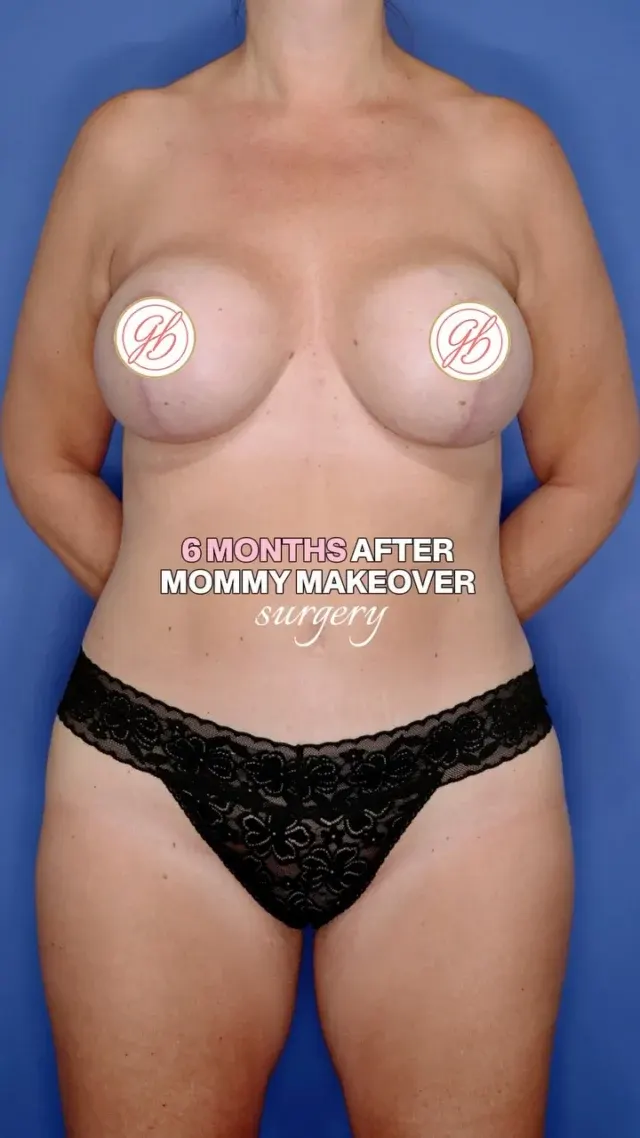
Patience is important here. The difference between six weeks and six months can be dramatic.
One Year and Beyond: Scar Maturation and Final Refinement
Even after the abdomen looks much better, the scar continues to mature. Scars often go through a phase where they look pink, red, raised, or darker before they gradually fade and flatten.
Scar healing is very individual. Your genetics, skin tone, tension on the incision, sun exposure, aftercare, and overall healing all play a role. Tummy tuck scars may continue improving for up to one year, and scar revision is usually considered only after the scar has had enough time to mature, often around 12 to 18 months.
This is why we remind patients not to judge a scar too early. A scar at six weeks is not the same scar you will have at one year.
What Can Affect Your Recovery Timeline?
No two tummy tuck recoveries are exactly the same. Several factors can influence how quickly or slowly you heal, including:
Your overall health, nutrition, smoking history, activity level, the amount of skin removed, whether muscle repair was performed, whether liposuction was added, whether the procedure was part of a mommy makeover, and how closely you follow post-op instructions.
Patients who try to do too much too soon may increase swelling, discomfort, and the risk of healing problems. On the other hand, patients who rest appropriately, walk gently, eat well, stay hydrated, and attend follow-ups often have a smoother recovery experience.
What Helps Recovery Go More Smoothly?
The best tummy tuck recovery starts before surgery. Preparing your home, arranging help, filling prescriptions, planning easy meals, and understanding your restrictions can make the first week much easier.
After surgery, the basics matter more than most people realize. Gentle walking, protein-rich meals, hydration, compression if recommended, avoiding nicotine, and protecting the incision can all support the healing process.
Follow-up appointments are also important. They allow our surgical team to check your healing, answer questions, and guide you safely through each stage.
The Bottom Line
So, how long does it really take to heal after a tummy tuck?
Most patients need a few weeks before they feel more comfortable with daily life, about four to six weeks before many normal activities begin to resume, several months for swelling and tightness to improve, and up to a year or longer for the scar and final result to fully mature.
A tummy tuck is not an instant transformation. It is a process. But when performed thoughtfully and followed by proper recovery, it can create a beautiful improvement in abdominal contour, waistline definition, and overall confidence.
At Glamour Plastic Surgery and Med Spa, Dr. Bachilo guides patients through every step of the tummy tuck journey, from consultation to surgery to long-term follow-up, so patients know what to expect and feel supported throughout the healing process.